TL;DR
Yes, spouses can sometimes be separated under one roof in Virginia, but the real issue is whether they have lived separate and apart without cohabitation and without interruption for the required time. The no-fault timeline is usually one year, or six months only if there are no minor children and the parties signed a separation agreement. Separate bedrooms help, but they are not the whole case. Your daily conduct, your records, and your credibility matter.

What If Moving Out Is Not Affordable?
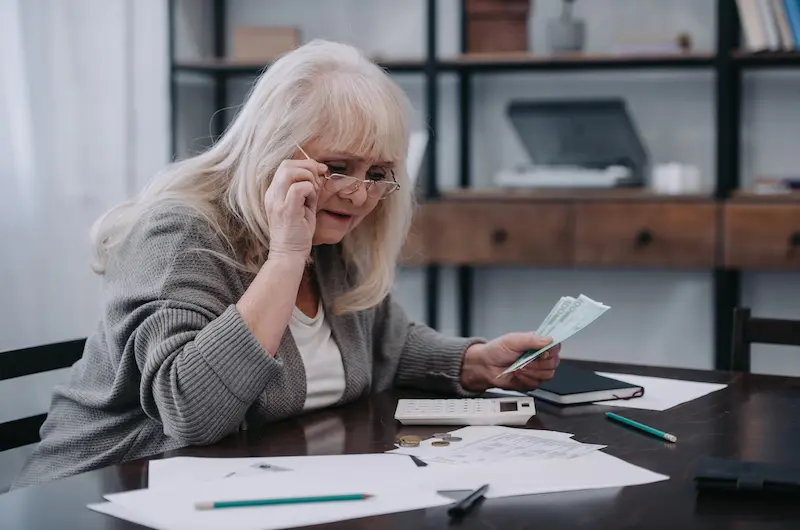
You and your spouse have already had the hard conversations and the question begins to surface. You both know the marriage is ending, but the mortgage still comes due, the lease still has months left, the children still need a home, and neither of you can afford two households right now. So you start searching late at night, “Can we stay in the same house and avoid making a mistake that delays the divorce?” In Virginia, the answer can be yes, but only if the facts of your daily life show a real separation.
Virginia does not require a separate court filing to become legally separated for no-fault divorce purposes. What matters is whether the parties have lived separate and apart without cohabitation and without interruption for the statutory period under Va. Code § 20-91(A)(9). Couples often confuse physical distance with legal separation because Virginia focuses on how you live, not just where you sleep. Sharing one home can still count as separation if the marital relationship has truly ended and the facts support it.
Living Together, But No Longer Married In Virginia
In-home separation works when the house starts functioning just like shared space. Separate bedrooms help, but they are only one part of the story. Virginia courts look at the total picture, including whether the spouses still act like a couple, whether intimacy continued, whether they still share the usual duties and benefits of married life, and whether at least one spouse intended the separation to be permanent.
The Supreme Court of Virginia recently confirmed in Lisann v. Lisann that the separation period depends on a continuing intent to end the marriage permanently, not only on living arrangements, which is crucial in same-roof cases.
Another helpful Virginia example appears in Bchara v. Bchara. There, the Court of Appeals upheld a same-roof separation where the wife moved the husband’s belongings into a guest bedroom, stopped attending church and family functions with him, stopped depositing money into the joint account, and had a friend who regularly observed the new living arrangement. The case is important because it shows two things: first, separate bedrooms alone were not the whole case; second, ordinary behavior inside the home can become the evidence that decides whether your separation date holds up.
The Separation Timeline That Shapes Your Filing
Most Virginia no-fault divorces require one full year of separation. The shorter six-month period applies only if there are no minor children of the marriage and the parties have a written separation or property settlement agreement. Fairfax County’s Circuit Court says the same on its divorce page, and Virginia’s statute tracks that framework. For many families, this is where the stakes become real. If you start the clock too early, or you cannot prove that the separation was real, the filing date you planned around may disappear.
Why Your Separation Story Must Stay Consistent?
The biggest mistake is assuming that one symbolic change fixes everything. Moving into the guest room is a first step, but if the rest of life still looks married, credibility problems grow. In same-roof cases, small facts carry unusual weight because the court cannot simply look at two addresses and move on. The stronger approach is to create a clean record early, then live in a way that matches it. That may include clear written communication about the separation date, separate sleeping arrangements, changes in financial habits, and a pattern of conduct that supports the same story month after month.
You must reduce risk and carefully handle situations that give rise to doubt. Mixed signals can include resumed intimacy, presenting yourselves socially as a couple, sharing the relationship in a way that looks reconciled, or failing to communicate that the separation is permanent. Under Va. Code § 20-106, even an affidavit-based divorce must affirm continuous separation without interruption and with the intent to remain separate and apart permanently.
Practical Steps While You Still Share The Home
If you are still living together because money is tight, the safest mindset is simple: live in a way that matches the date you plan to claim. That does not mean being hostile, especially if children are involved. It means being consistent. Keep the relationship civil, but stop living as spouses. Be careful about joint routines that blur the line. Put major understandings in writing. Think ahead about who could confirm the arrangement if a judge asks how life inside the home actually worked. Smooth divorces begin with clear facts.
How Does Proof Help A Same-Roof Separation?
Even though Va. Code § 20-99 exempts divorces from the general corroboration rule, outside proof can still make a same-roof claim more believable when the facts are close. For same-roof cases, useful proof often includes messages confirming the separation date, calendar entries, separate bedroom arrangements, changes in joint spending, separate routines, and testimony from someone who personally observed how you were living.
Under Va. Code § 20-106, affidavits or depositions may support certain no-fault divorces, including cases resolved by written agreement or default. That creates a path to finish the case more smoothly if the evidence clearly shows continuous separation and intent. That is why proof does more than support your position in court. It can also help preserve an uncontested path, which often saves time, reduces cost, and lowers stress for everyone involved.
Get A Separation Plan Built For Your Situation At Fairfax
If you are trying to divorce but cannot afford to move out yet, or you are worried that one wrong step could push your filing date back by months, Schedule an evaluation with The Irving Law Firm – Fairfax Divorce Lawyers. A case specific separation plan can help you choose a defensible date, avoid conduct that weakens your credibility, and decide when it makes sense to move from uncertainty into a written agreement.
Request a case evaluation to understand your options and to build a separation plan that fits your home, your finances, and the facts a Fairfax court may actually care about. Speaking with a lawyer now can reduce risks before they become delays.
 John J. Irving is the CEO and Managing Partner of The Irving Law Firm. His career began in public service as a fraud investigator for the City of New York, where he managed thousands of welfare and housing fraud cases. He later served with the Prince William County Police Department, earning multiple commendations for his investigative skill and dedication. Today, John oversees the strategic direction of The Irving Law Firm while continuing his legal practice. His goal is not just winning cases, but doing so in a way that upholds dignity, fairness, and long-term impact.