TL;DR:
- Military divorces come with added challenges for support.
- Spousal support may include allowances such as BAH or hazard pay.
- Child support must factor in deployments and relocations.
- Enforcement can involve both courts and military command.
- The Servicemembers Civil Relief Act (SCRA) may delay proceedings.
- Handled correctly, support orders protect parents and give children stability.
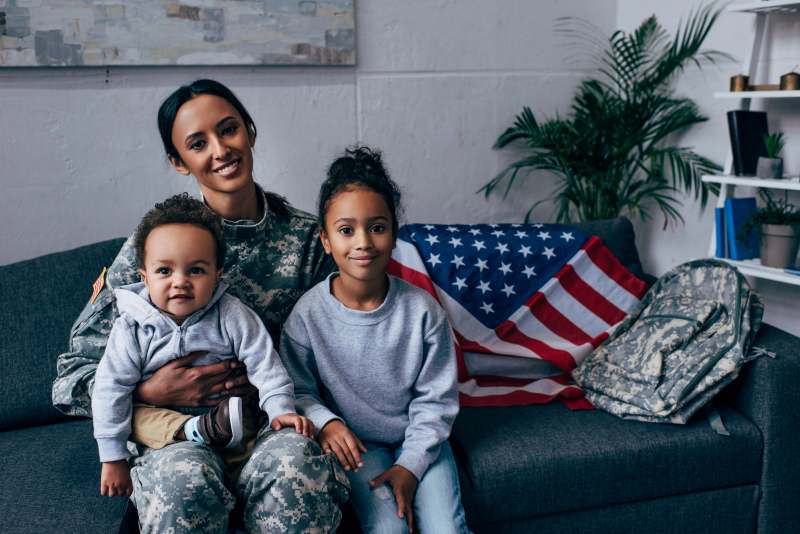
Divorce is difficult for any family, but support payments take on a different character when the military is involved. Virginia courts apply the same statutes, yet the way income is counted, orders are enforced, and cases are delayed looks different.
Military pay includes more than a salary. Deployments change parenting time. Federal protections like SCRA can slow cases down. All of these differences make support in military divorces more complex than in civilian cases.
Calculating Spousal Support
Spousal support, or alimony, is designed to soften financial gaps after divorce. In Fairfax County, judges apply Virginia law, but the military lifestyle often reshapes the conversation.
Virginia’s Standard Factors
Judges consider things like length of marriage, each spouse’s earnings, medical conditions, and contributions at home. A spouse who gave up a career to follow transfers often has a stronger claim.
How Military Pay Fits In
Military paychecks come in pieces: base pay, housing allowances, subsistence pay, and even hazard pay. Courts usually count these allowances as income, even if they’re tax-free, which can change calculations significantly.
How Long Does Support Last?
Short marriages may lead to temporary alimony. In marriages lasting decades, support can extend for many years or indefinitely. Judges also ask whether the receiving spouse can realistically become self-sufficient.
Sacrifices That Matter
Frequent moves and deployments often force one spouse to put education or work aside. Judges in Fairfax, Virginia, usually recognize these sacrifices when deciding what’s fair.
Spousal support in military divorces reflects more than numbers. It reflects years of service, shared sacrifice, and the practical realities of military life.
Child Support In Military Divorces
Child support ensures children’s needs after divorce. Virginia courts use guidelines, but when a parent is in uniform, extra factors come into play. A Fairfax military divorce lawyer can guide you in getting what’s best for the children.
Virginia’s Guidelines
The formula looks at both parents’ income, custody arrangements, and the child’s needs. Judges can adjust the guideline if the case presents unusual circumstances, which is often true in military households.
Counting Military Pay
Military pay goes beyond salary. Housing allowances (BAH), food allowances, and deployment bonuses are usually added to the income, even if they aren’t taxable. That can raise support obligations significantly.
Deployment & Custody
Deployments complicate custody schedules. Courts may allow temporary custody changes during deployment and reinstate prior orders once the parent returns. The law prevents deployment alone from being used to deny custody.
Health Coverage & TRICARE
Military children often qualify for TRICARE, which saves costs on medical care. Courts consider this when setting orders, deciding who provides coverage, and how costs factor into support.
Enforcing Orders
Failure to pay child support can trigger garnishment of military wages. DFAS (Defense Finance and Accounting Service) processes these orders. In some cases, commanding officers step in if obligations are ignored.
Child support in military divorces blends Virginia’s system with federal rules. It ensures children remain financially supported and connected to both parents despite service demands.
Enforcing Support Orders
Support orders only work when they’re enforced. Civilian and military cases share some tools, but military service adds unique options for compliance.

Every family’s situation is different, and these answers cover only the basics. If you’re dealing with a military divorce, A Fairfax military divorce law firm can make all the difference.
Finding Stability Through Support
Support orders go beyond numbers. They’re the foundation for stability after divorce. For military families, that foundation requires careful handling of both Virginia law and federal rules.
The Irving Law Firm – Fairfax Divorce Lawyers has guided countless military families through spousal and child support disputes. We know how to go through Virginia law and federal military rules. We use that knowledge to protect our clients.
If divorce is on the horizon, trying to navigate support issues without skilled representation can put your future at risk. Reach out to us today to arrange a consultation. Together, let’s take proactive steps to secure your financial stability and your children’s well-being.
 John J. Irving is the CEO and Managing Partner of The Irving Law Firm. His career began in public service as a fraud investigator for the City of New York, where he managed thousands of welfare and housing fraud cases. He later served with the Prince William County Police Department, earning multiple commendations for his investigative skill and dedication. Today, John oversees the strategic direction of The Irving Law Firm while continuing his legal practice. His goal is not just winning cases, but doing so in a way that upholds dignity, fairness, and long-term impact.